
The road to the ship,written step by step.
Open vacancies, the documents you need and the application process. What is possible and what is not, without decoration.
What we do,how we work
We bring together people who want to work at sea and employers looking for crew, and tell you in advance which document is needed when.
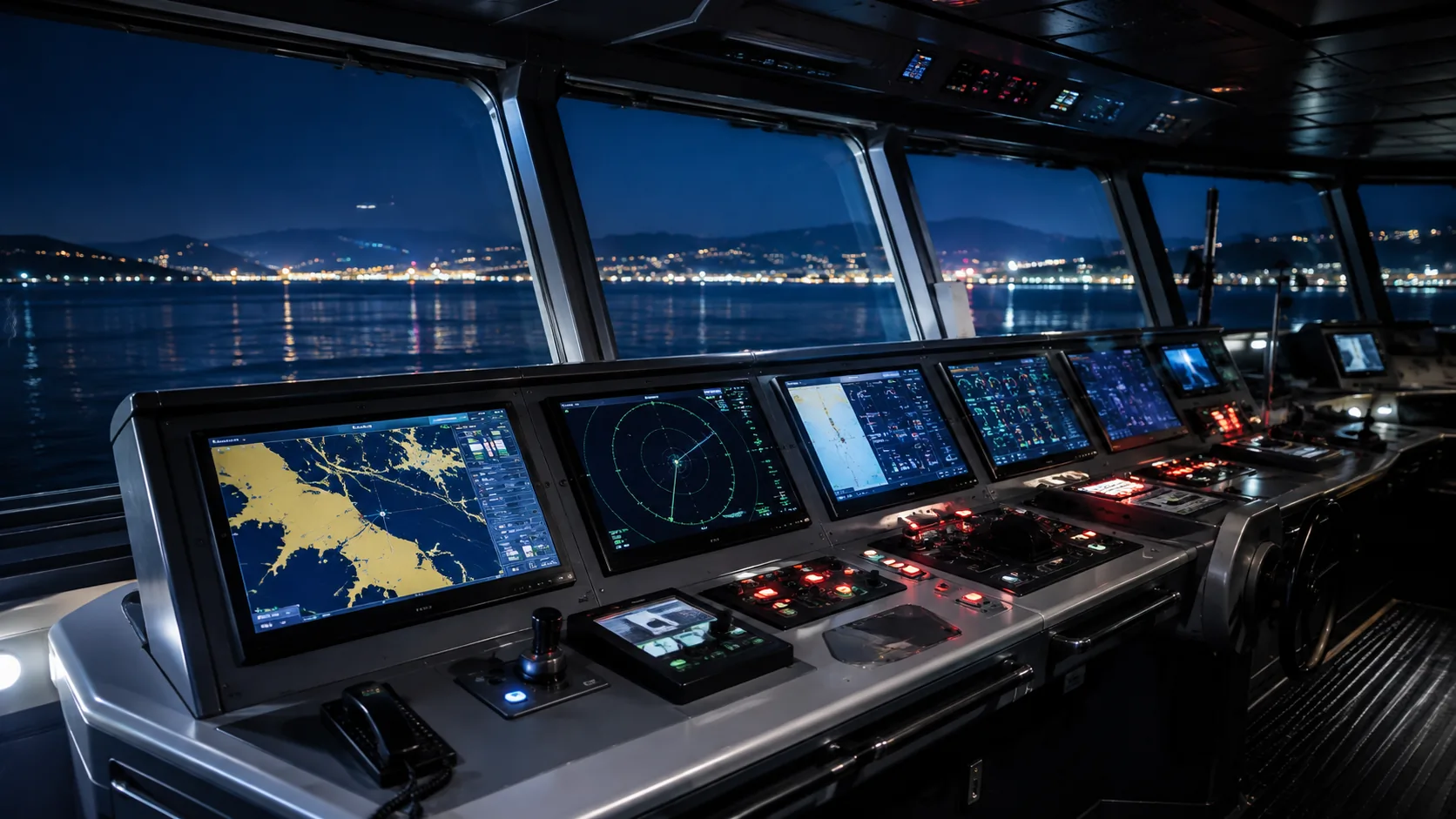
For candidates
- 01Position matching — open vacancies that fit your experience and certificates
- 02Document guidance — which papers are required and what you are missing
- 03Interview preparation — what employers ask and how to get ready
- 04Placement — presentation to the employer and follow-through to joining
For employers
- 01Crew supply — matching from a position-based candidate pool
- 02Bulk recruitment — building a complement for a voyage or project start
- 03HR solutions — paperwork, certificate tracking and process management
- 04Fleet crew management — rotation planning and continuity
Open positions
Which position is open on which vessel, how many months the contract runs, which route it sails.
- HousekeepingCruise · InternationalCaribbean route· 6-8 mo
- Engine RatingTanker · InternationalNorthern Europe route· 4-6 mo
- CookRo-Ro · DomesticMarmara route· 3-6 mo
- WaiterCruise · InternationalMediterranean route· 6-8 mo
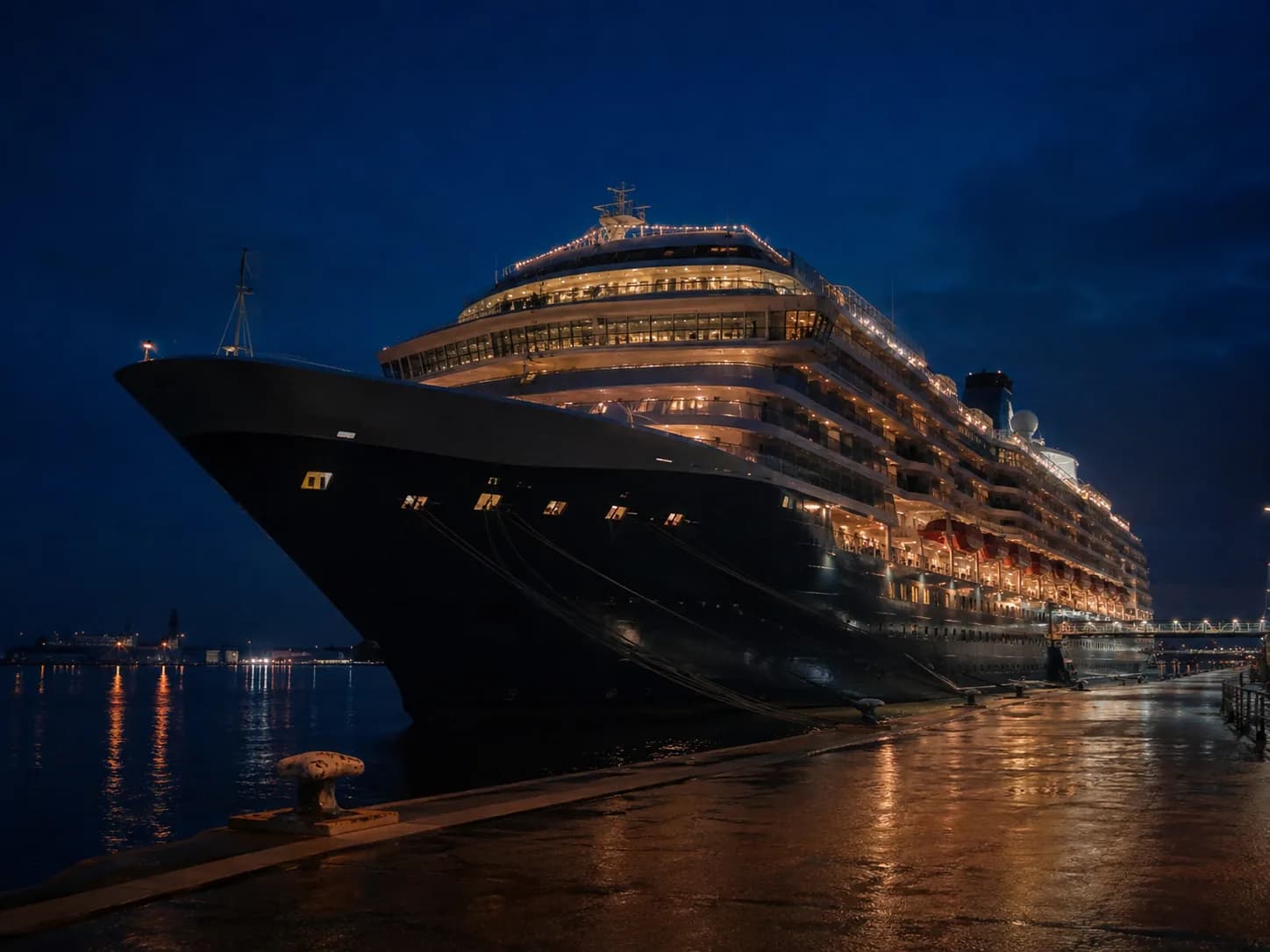

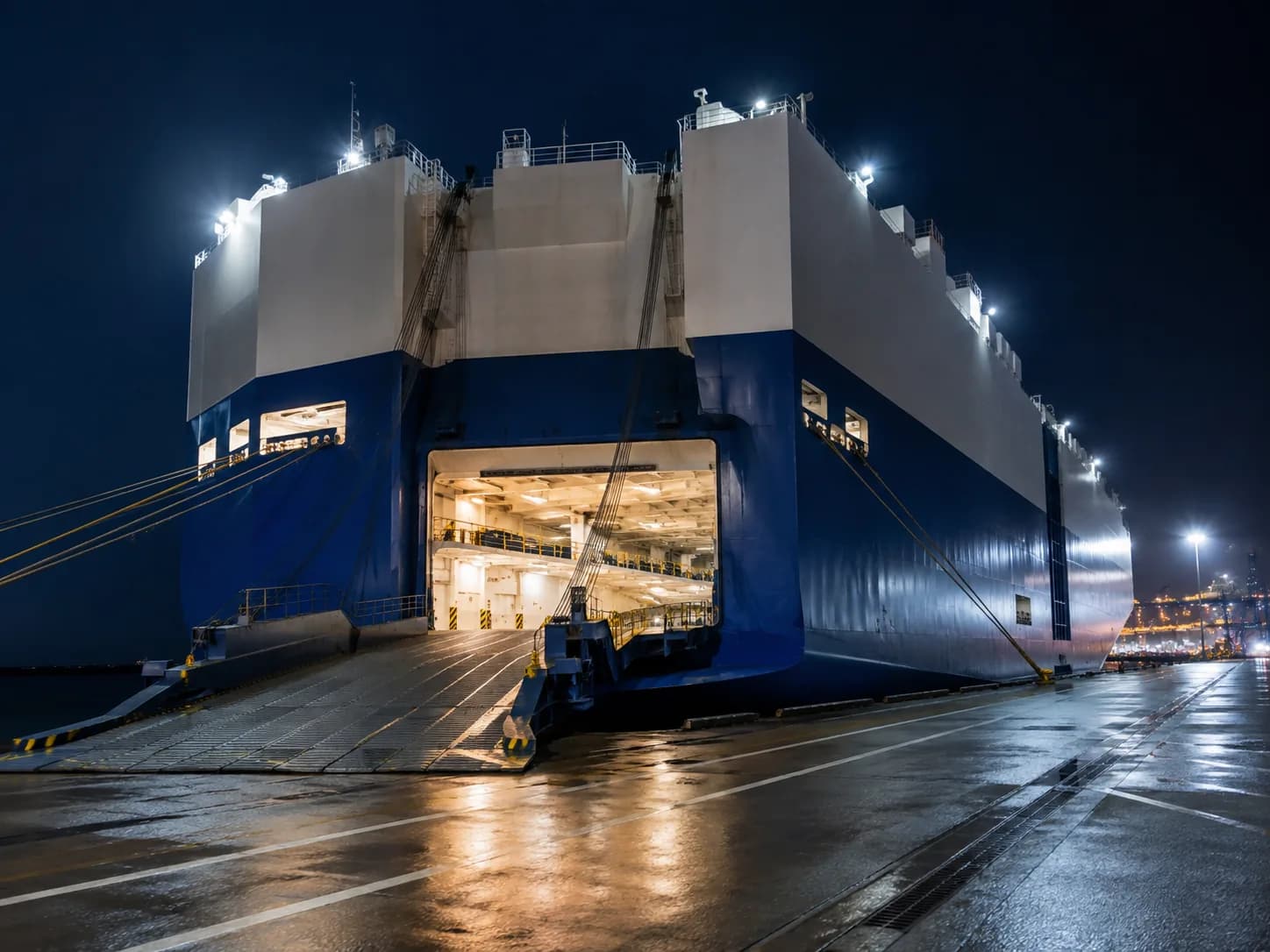
The records listed are representative; real openings will replace them.

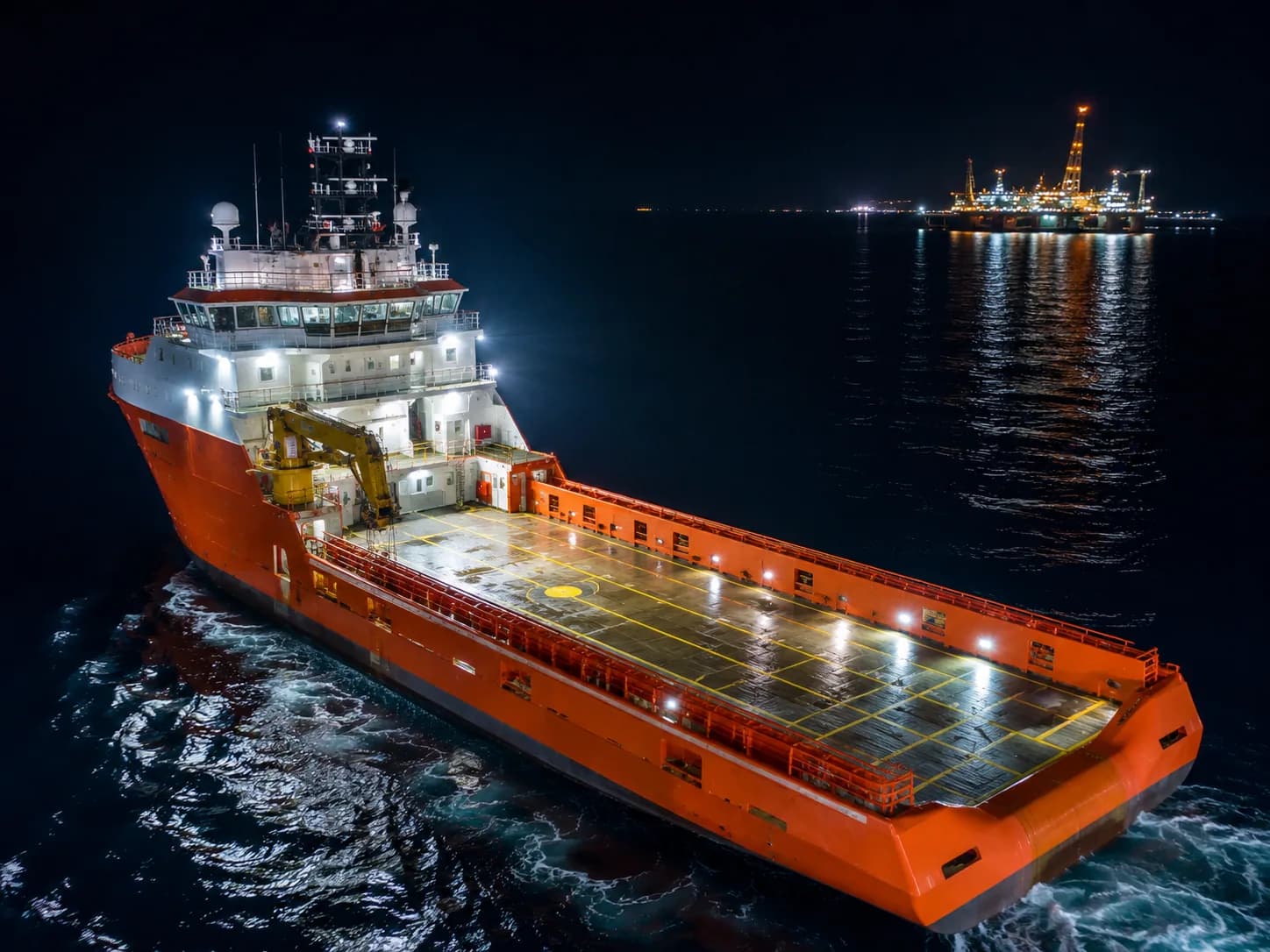
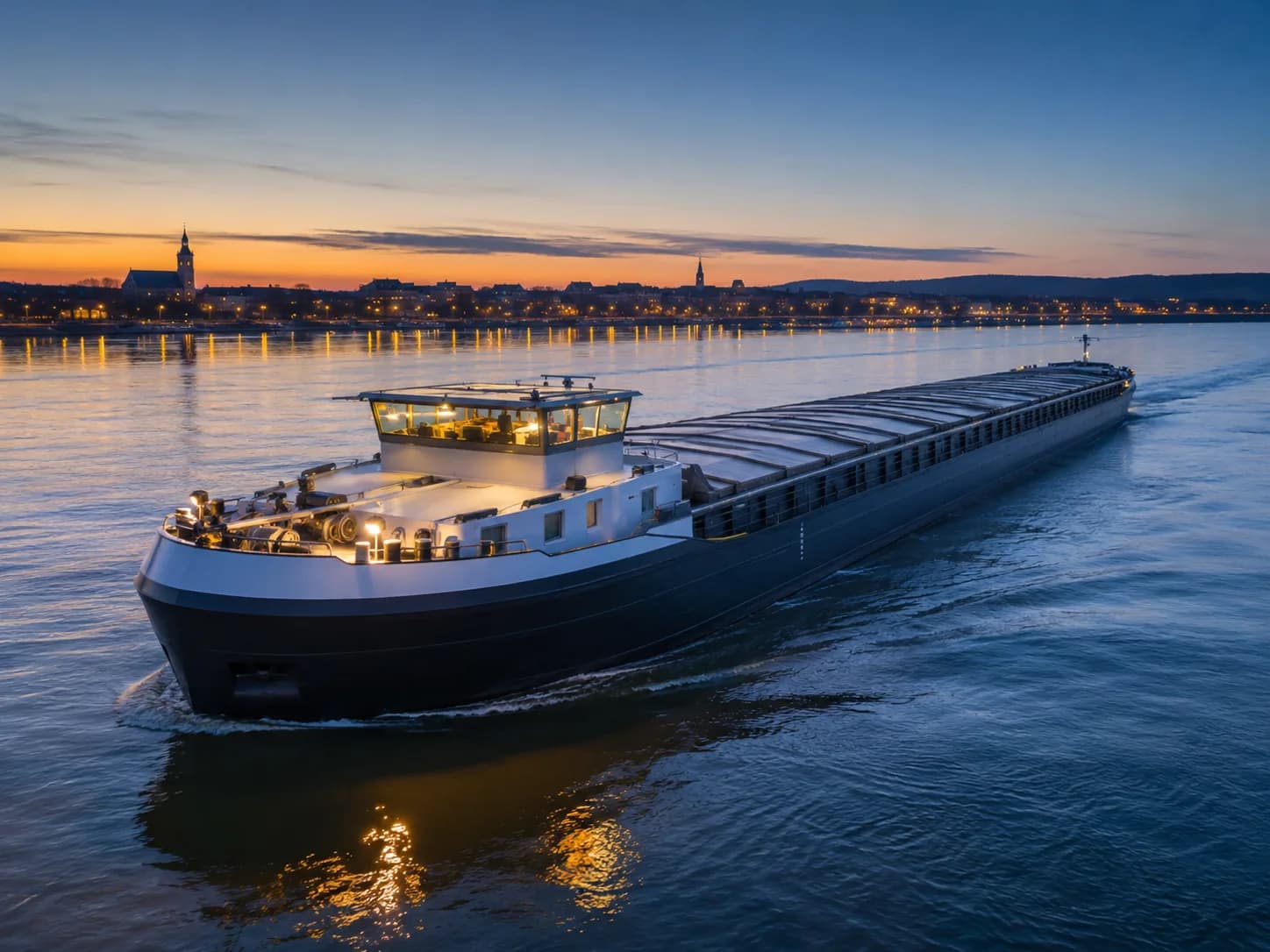
From shore to ship
Quay to ship: the scene advances as you scroll.
- 01
Application
Fill in the form; tell us your position and experience.
- 02
First consultation
We talk through your situation by phone or WhatsApp.
- 03
Document check
Your papers are checked one by one; anything missing is reported in writing.
- 04
Interview
Employer or agency interview; we prepare you if needed.
- 05
Medical report
Seafarer medical examination at an authorised centre.
- 06
Visa procedures
Document preparation according to flag and route requirements.
- 07
Placement
Contract terms and duration are set out in writing.
- 08
Joining the ship
Flights, transfer and joining date are planned.
What I hold, what I'm missing
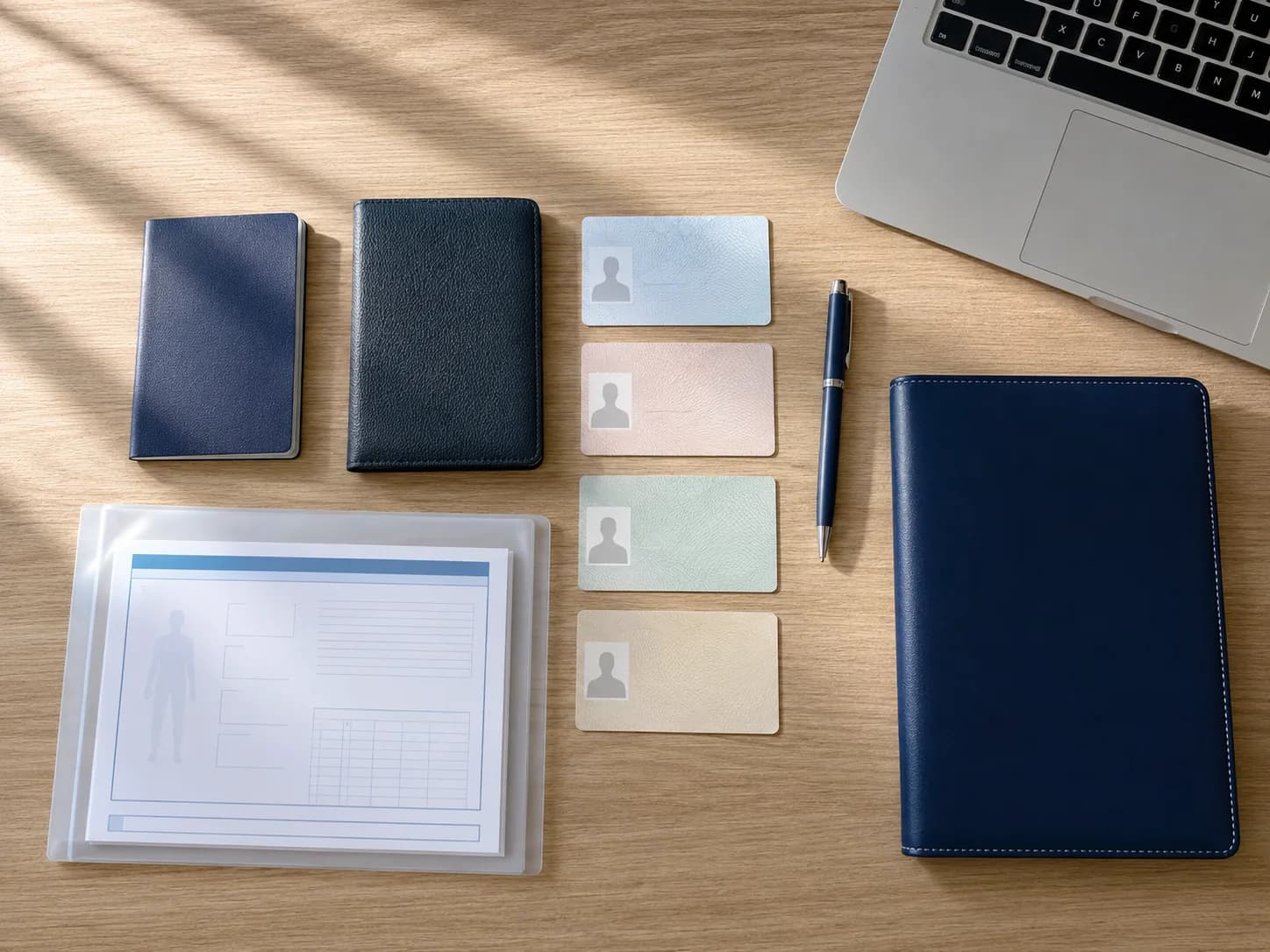
Required Documents for Seafarers
- Seaman's Book
- STCW Certificates
- Passport
- Medical Report
- Criminal Record Certificate
- English Level
- Visa Details
Service
Certification andqualification support
If you do not hold the legal documents required to work at sea: we work out which training is needed and in what order, point you to the authorised institution, and advise throughout the process.
- 01
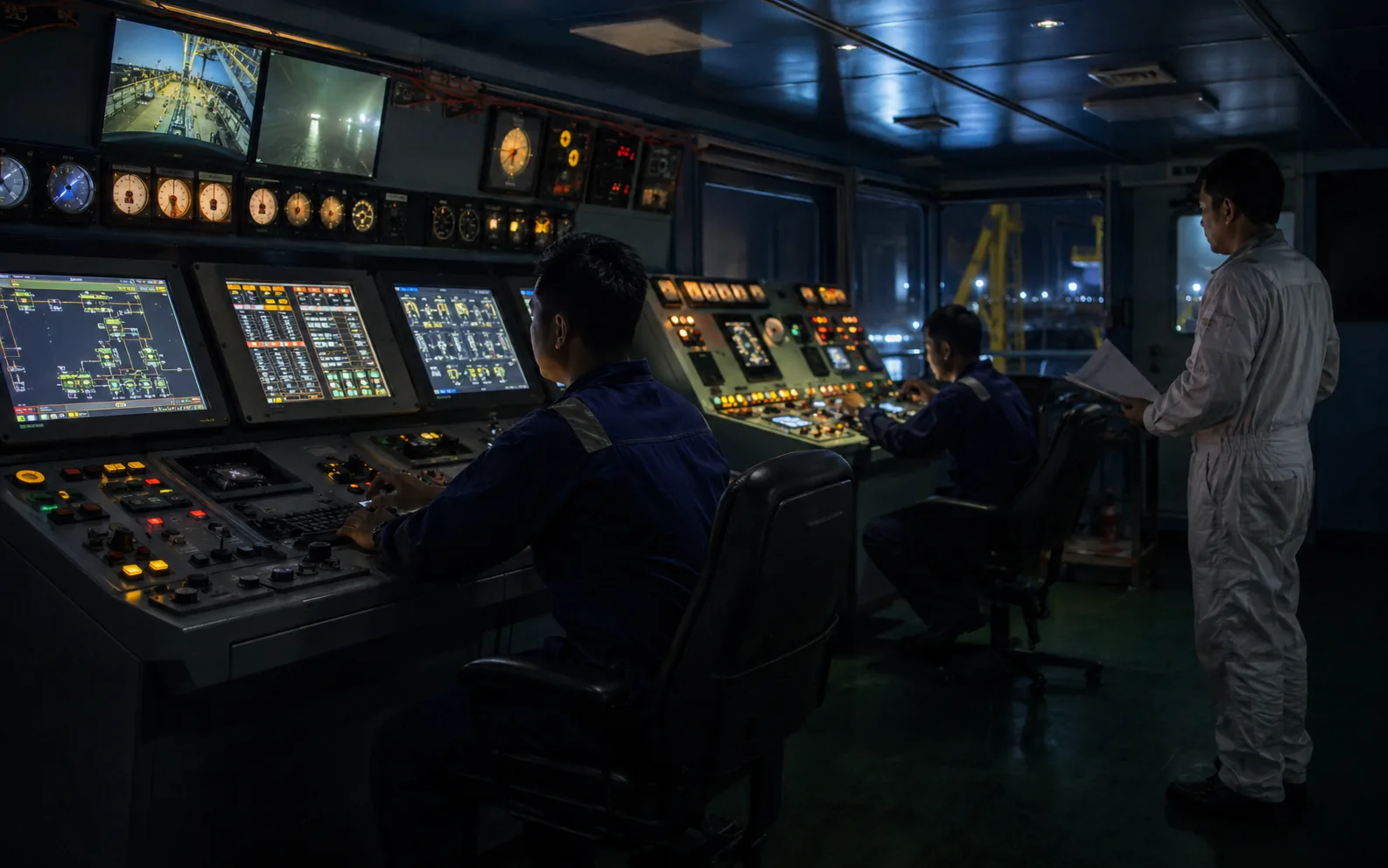
Which training you need
The position you are aiming for is compared against the certificates you hold, and we work out exactly which training closes the gap.
- 02
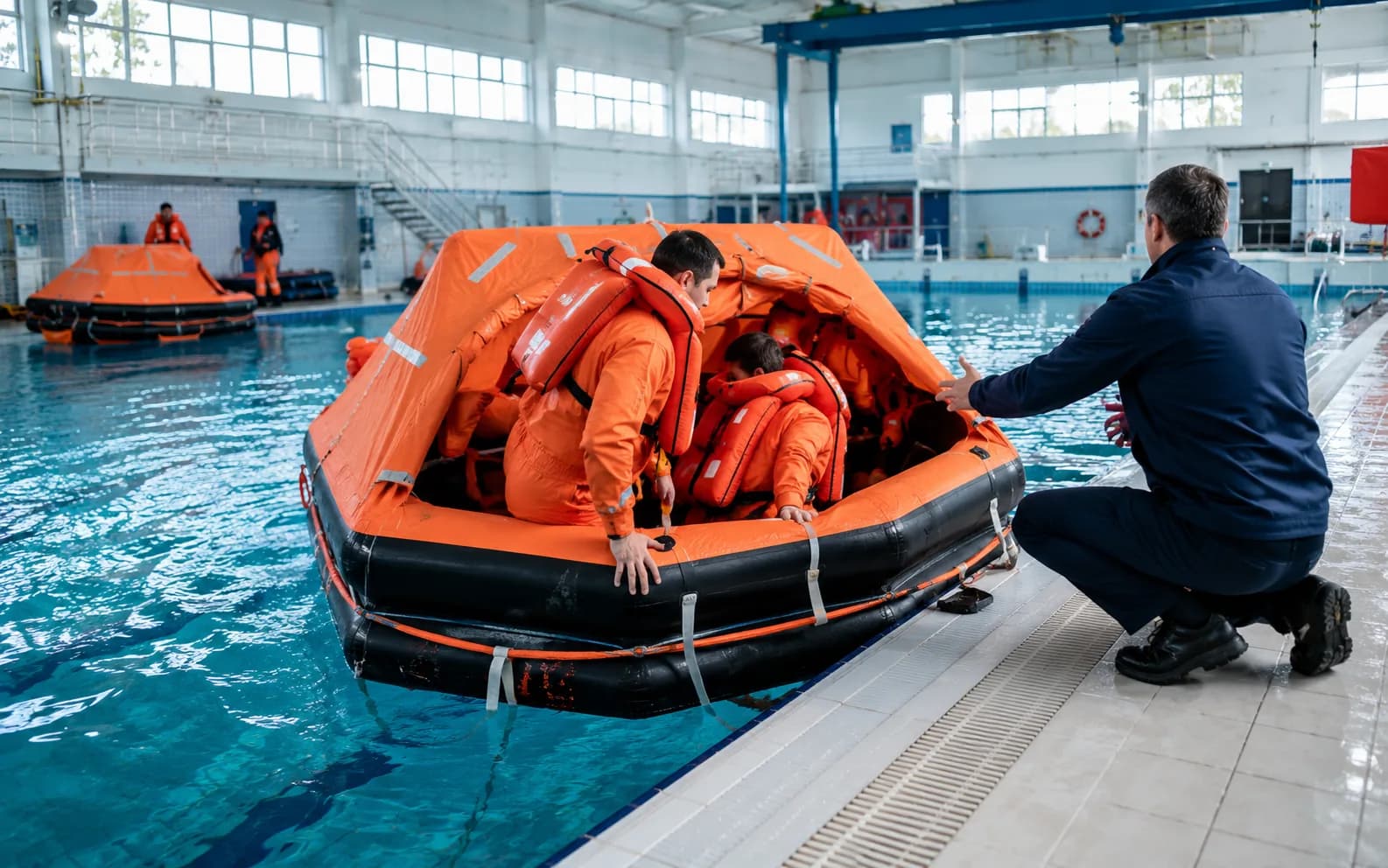
Access to training
We point you to the authorised institution for the training required and plan together which course comes in which order.
- 03
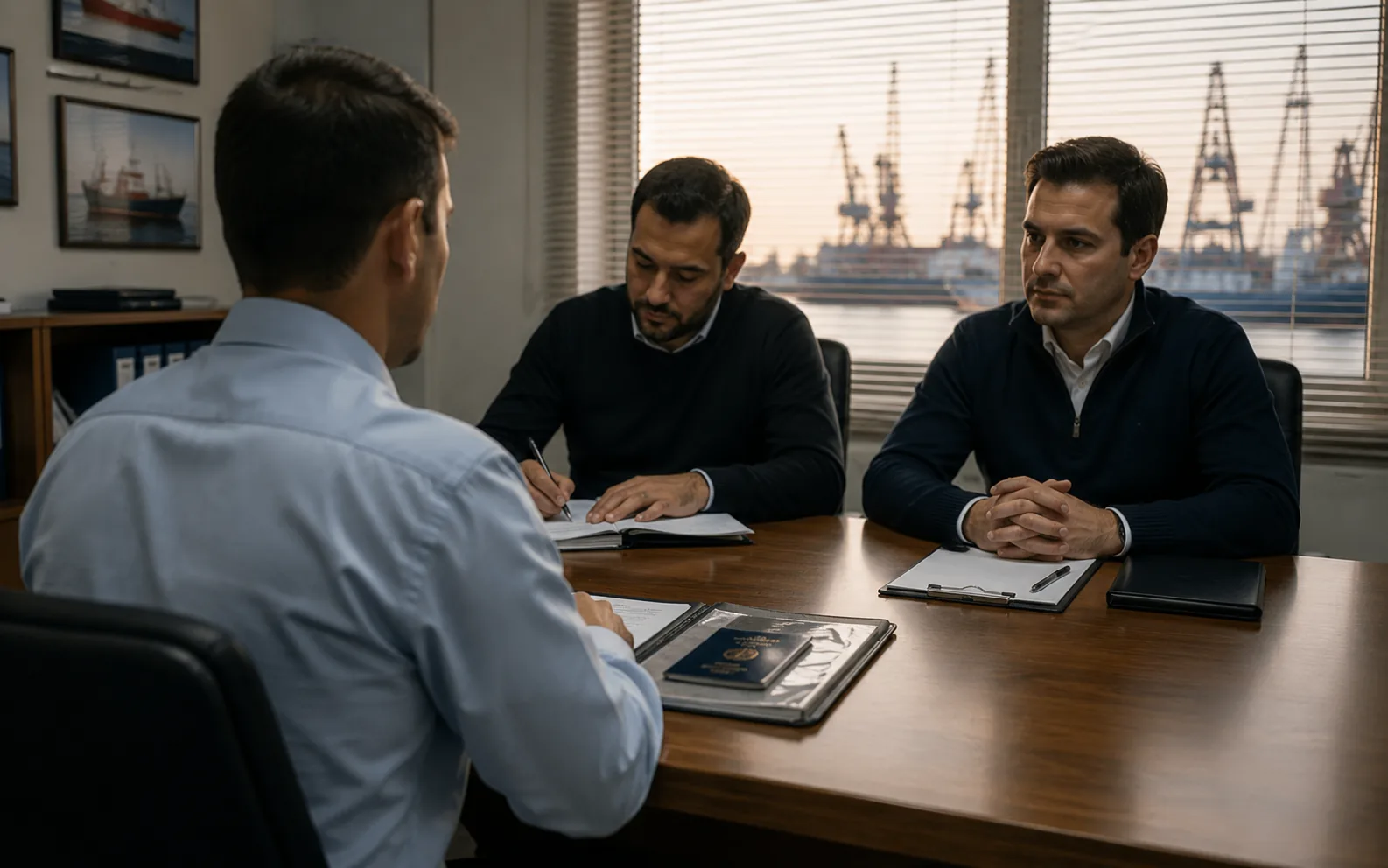
Guidance through the process
Until the paperwork is complete we track which step happens when. When the order gets muddled the process drags on unnecessarily.
Services and pages
The six sections candidates use most.
- ApplyFill in the form, upload your documents; we will get back to you.Go
- International JobsCruise, cargo, tanker, offshore — foreign-flag vessels.Go
- Domestic JobsTurkish-flag vessels and domestic routes.Go
- First ConversationLet's talk through your situation: which position is realistic, what you are missing.Go
- Document CheckFrom seaman's book to visa — see exactly which documents are required and what is missing.Go
- STCW TrainingMandatory maritime training, English and interview preparation.Go
Who we are, on what basis
This section rests on verifiable documents. It is not published until they arrive — no invented figures and no representative team photos go here.
- Registered legal name (identical on site and invoice)
- Tax office and number
- Office addresses and photographs
- Documented placement count and year founded
- Licences and registration certificates
- Team names and permission to show faces
This section does not go live before real photographs and documents arrive.
Frequently asked
Is experience required?
Not for every position. In hotel and catering an entry-level start is often possible; deck and engine roles carry heavier certificate and experience requirements. We work out which position suits you during the first consultation.
What are the hours of work and rest on board?
The international floor is set by MLC 2006: at least 10 hours of rest in any 24-hour period and at least 77 hours in any seven-day period. Rest may be divided into no more than two periods, one of which must be at least six hours. The real arrangement above that floor depends on the ship and the watch system; it is written in your contract and in the table of shipboard working arrangements posted on board.
Can I go to sea for the first time?
Yes, there are positions suited to first-timers. Mandatory documents and STCW training are completed first, then the application is made.
Which documents do I need?
The core three: a seaman's book, a medical certificate from an authorised centre, and the STCW training the position requires. On top of those, additional documents may be requested depending on the position, the flag and the owner. The required documents page lists them one by one; once we have seen what you hold, we tell you what is missing in writing, not by guesswork.
Do I need English?
Most foreign-flag vessels expect English at a everyday communication level. If your level is not sufficient we tell you what level you need to reach and share training options.
How long does it take from application to joining a ship?
Quoting a single duration would be wrong. Four things decide it: the state of your documents, whether the position is open, whether a visa is needed, and the owner's interview schedule. If your documents are complete, the timeline shortens. If someone tells you up front “you'll be on board in X days”, that sentence is pretending to know all four unknowns at once.
If you have a question,write to us.
Let's look at your situation together: which position fits, what you are missing, and how long each step takes.
You can write without giving your details.